The year 2025 has been one of the most eventful and defining years for Nigerians, setting the stage for economic shifts that will continue into 2026 and reshape the nation for decades to come.
With several new policies already in motionâÂÂparticularly the fuel subsidy removal, which saw the price of Premium Motor Spirit rise above â¦1,000 per litre at its peak before settling above â¦800 in many areasâÂÂNigerians have experienced a year of soaring living costs. Prices of goods, services, and transportation climbed sharply, intensifying pressure on households and businesses.

In addition, major tax reforms enacted by President Bola Ahmed Tinubu are set to take full effect in 2026, making 2025 a transitional year marked by intense debate and shifting economic priorities.
From petrol price controversies, to industry clashes involving the Dangote Refinery and oil marketers, the commissioning of 4,000 CNG buses, labour union tensions, the removal of former NNPC Limited GCEO Mele Kyari, and the appointment of Bashir Ojulari, 2025 has been a year of structural changes and bold policy decisions.
Amidst all of these, the long-standing issues surrounding NigeriaâÂÂs refineries continued to fuel national concern. One thing is certain: 2026 promises to be even more consequential for NigeriaâÂÂs economy.
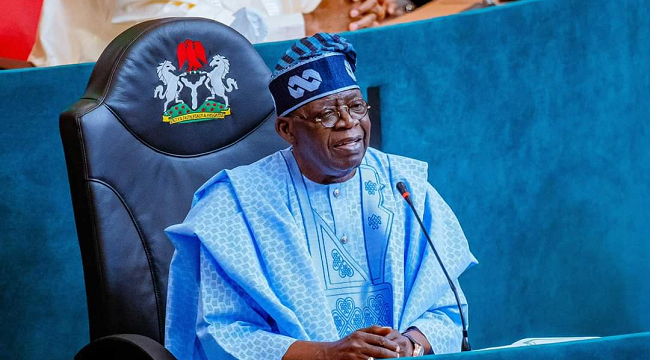
Major Tax Reform Acts of 2025
On June 26, 2025, President Bola Tinubu signed into law a sweeping set of tax reforms that collectively restructure NigeriaâÂÂs tax framework. These reforms are captured in four landmark acts:
1. Nigeria Tax Act (NTA)
This act consolidates several tax laws and introduces clearer definitions for tax compliance.
Small companies (annual revenue ⤠â¦100 million)
â Exempt from Companies Income Tax (CIT), Capital Gains Tax (CGT), and the new Development Levy.
Large companies
â Required to comply with adjusted corporate taxation measures.
2. Nigeria Tax Administration Act (NTAA)
Establishes a unified tax collection framework across federal, state, and local levels.
Introduces mandatory Taxpayer Identification Numbers (TINs).
Mandates digital compliance, including e-invoicing for VAT-registered companies.
3. Nigeria Revenue Service (Establishment) Act (NRSA)
Replaces the former FIRS with a more autonomous Nigeria Revenue Service (NRS).
4. Joint Revenue Board (Establishment) Act (JRBA)
Improves coordination between federal and state tax agencies.
Establishes a Tax Ombuds Office for handling complaints.
Reforms the Tax Appeal Tribunal to improve dispute resolution.
Key Provisions of the 2025 Tax Reforms
Personal Income Tax (PIT)
Individuals earning up to â¦800,000 annually are now tax-exempt.
A more progressive tax structure introduced.
Top earners now pay 25%.
New rent relief of up to â¦500,000.
Corporate Taxation
Capital Gains Tax for large firms increased from 10% to 30%, aligning with the corporate tax rate.
Introduction of a 4% Development Levy, replacing smaller, fragmented levies.
Value Added Tax (VAT)
VAT rate remains at 7.5%.
Input VAT recovery expanded to cover services and capital assets.
Essential goodsâÂÂsuch as food, medicines, and educational materialsâÂÂare now zero-rated to cushion inflation.
Dangote vs. Oil Marketers: The Battle for the Downstream Sector
One of the most heated economic conflicts of 2025 was the standoff between Dangote Refinery and NigeriaâÂÂs downstream oil marketers.
The controversy emerged as the newly operational Dangote Refinery sought to break NigeriaâÂÂs long-standing reliance on imported fuel and establish itself as the primary domestic supplier. This shift posed a direct threat to marketers who had dominated fuel importation for years.
DangoteâÂÂs Position
Accused oil marketers and unions (including NUPENG) of resisting its pricing structure.
Claimed marketers were sabotaging distribution and inflating prices.
Sought to implement a supply chain model that significantly reduces the role of traditional marketers.
Marketersâ Concerns
Organizations like DAPPMAN, PETROAN, and NARTO feared the collapse of their businesses.
Risk of idle depots, job losses, and exclusion from distribution channels.
Called for a more inclusive supply model, arguing that DangoteâÂÂs dominance could destabilize the downstream sector.
The standoff highlighted the struggle between market liberalization and market control, with Nigerians caught in the middle as petrol prices fluctuated amid the power tussle.
With subsidy removal, rising fuel prices, a restructured tax system, ongoing refinery controversies, and major changes in the oil and gas sector, 2025 stands as a turning point. As these policies mature in 2026, NigeriaâÂÂs economy will undergo significant structural transformationâÂÂaffecting households, businesses, and the entire energy sector.

News
Nigeria’s Economic Landscape in 2025: A Pivotal Year Shaping the Decade Ahead
The year 2025 has been one of the most eventful and defining years for Nigerians, setting the stage for economic shifts that will continue into 2026 and reshape the nation for decades to come. With several new policies...